
Connect assets, controls and commercial decisions
EEH coordinates grid interfaces, digital systems and the operating requirements behind a reliable connection.
Start with the decision you face
The need
A connection and control architecture that supports the intended asset operation and commercial role.
How EEH supports you
We define interfaces, compare technical options and coordinate project responsibilities. Our financial models and project documentation connect connection costs and operating assumptions to financing structuring.
What we need to start
Single-line diagrams, connection terms, asset and meter lists, protocols, dispatch authority and existing system constraints.
Turn the opportunity into an assessable case
Grid modernisation and more flexible use of networks create opportunities to coordinate generation, storage and demand. Digital integration starts with connection limits, controllability and reliable data; it also needs clear ownership of control, cybersecurity and settlement interfaces.
Institutional context: European Commission — European grids
Assess your market and investment case ↗Connect the work from the outset
We define the opportunity, coordinate the project workstreams and prepare financial and project documentation. Financing structuring includes access to our network of financial institutions and investors, with decisions made independently by each counterparty.
- 01
Opportunity assessment
- 02
Feasibility
- 03
Development & permitting support
- 04
Engineering, procurement & construction (EPC) partner coordination
- 05
Financing structuring
- 06
Implementation & operation support
Match the scope to the operating need
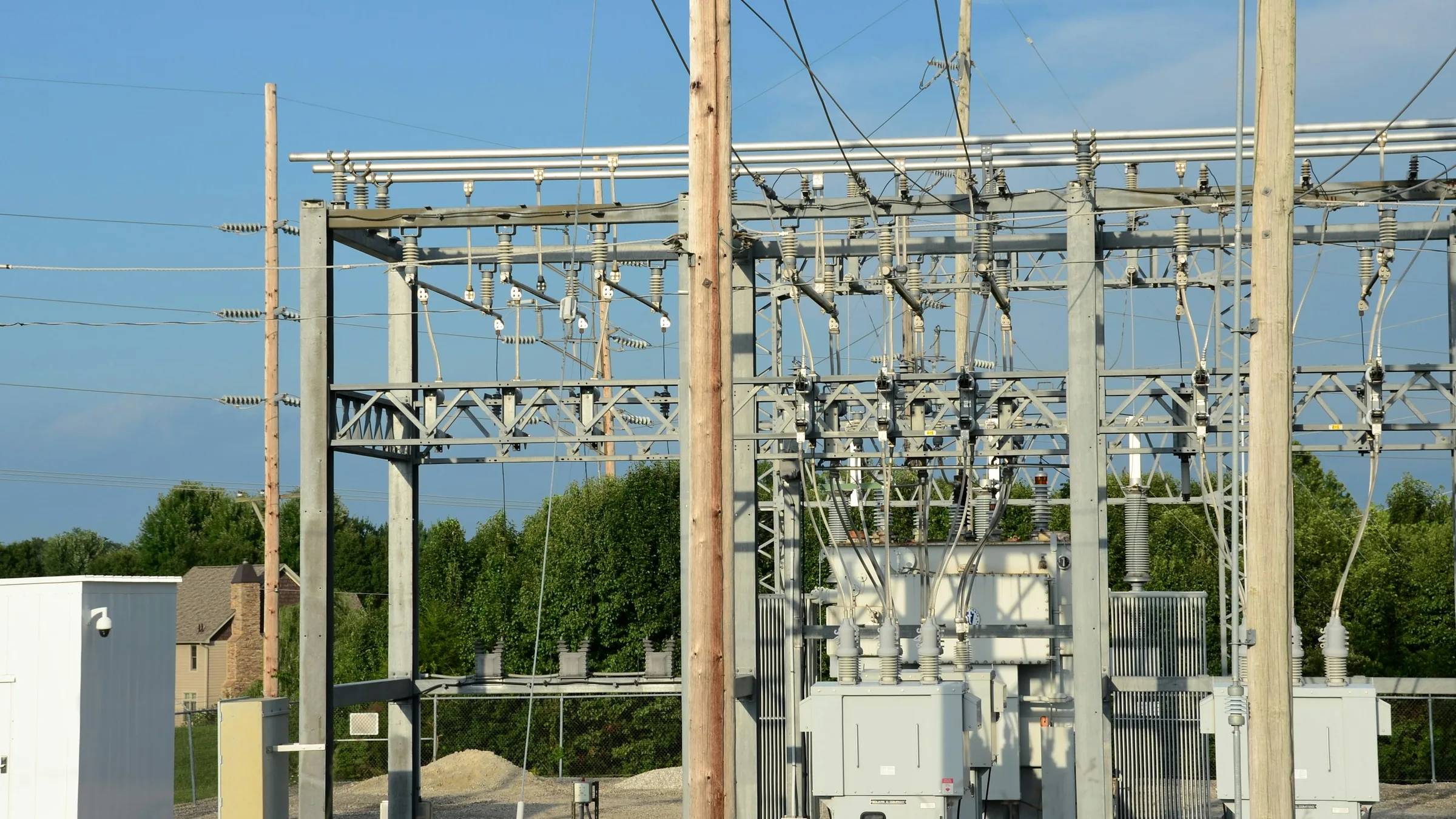
Grid connection and substations
Coordinate connection studies, substation requirements, metering, protection and outage planning. The scope connects the operator’s requirements to procurement and acceptance.
Discuss project requirementsSupervision and energy management
Supervisory control and data acquisition (SCADA) provides operational visibility; energy management systems (EMS) coordinate dispatch priorities. We define signal lists, control hierarchy, interfaces and fallback behaviour.
Discuss project requirementsControl, protection and OT security
Plan protection interfaces, access control and operational technology (OT) cybersecurity with specialist designers. Include network boundaries, remote support, event records and recovery requirements.
Discuss project requirementsBilling and meter-to-cash
Connect validated meter data, tariff versions and contracts to billing and reconciliation. Parallel calculation runs and exception handling support a controlled migration.
Discuss project requirementsEnergy-source and portfolio management
Bring forecasts, physical assets, procurement contracts and trading positions into a defined operating model. Specify market interfaces, exposure limits and settlement checks.
Discuss project requirementsDefine the inputs and deliverables
01SCADA, EMS & asset dispatch
+
See what assets are doing and coordinate generation, storage and demand within operating limits.
How EEH supports you
Define control requirements and coordinate SCADA, energy-management and asset interfaces with specialist integrators.
From assessment to execution
Map assets and data → agree control hierarchy → specify interfaces and security → test dispatch, alarms and fallback modes.
What we need to start
Metering points; protocols; time synchronisation; dispatch authority; network topology; access roles; remote-service boundaries and existing warranties.
Your agreed deliverables
Functional specification, point and alarm lists, interface matrix, acceptance tests and an operating handover pack.
02Electricity billing & meter-to-cash
+
Turn validated meter and contract data into explainable billing and settlement records.
How EEH supports you
Coordinate requirements for meter ingestion, tariff logic, billing, reconciliation and customer or accounting interfaces.
From assessment to execution
Map contracts and meters → define validation rules → configure calculations → reconcile parallel runs before migration.
What we need to start
Meter hierarchy; interval and timezone rules; missing-data treatment; tariff versions; taxes and charges; settlement files; dispute handling and audit needs.
Your agreed deliverables
Requirements catalogue, calculation examples, reconciliation controls, migration plan and acceptance criteria.
03Portfolio, sourcing & trading systems
+
Manage electricity procurement, generation forecasts, positions and exposure across assets and contracts.
How EEH supports you
Frame forecasting, scheduling, optimisation and trading-system integration around the client’s authorised market role.
From assessment to execution
Map physical and contractual positions → define scenarios and limits → specify market interfaces → validate settlement and operational controls.
What we need to start
Exchange and operator access; data licences; forecast horizons; imbalance treatment; transaction approvals; collateral; counterparty limits and market-specific rules.
Your agreed deliverables
Portfolio model, integration specification, risk dashboards and operating procedures. Market access and execution remain with appropriately authorised counterparties.
Find the route for your organisation
State-owned enterprises & utilities
Asset modernisation → coordinated project preparation
See support for your organisationIndustry & heavy industry
Energy and process constraints → integrated solutions
See support for your organisationEnergy developers & IPPs
Development obstacles → a sequenced delivery plan
See support for your organisationCommercial, real estate & fleet operators
New electrical demand → managed on-site energy
See support for your organisationDefine responsibility before delivery

Store Your Energy
SYE is EEH’s engineering, procurement and construction (EPC) partner.
The contracting entity, responsibilities and commercial terms are agreed for each project. Listing does not imply exclusivity, certification or committed financing.